/523/1/logo.png)
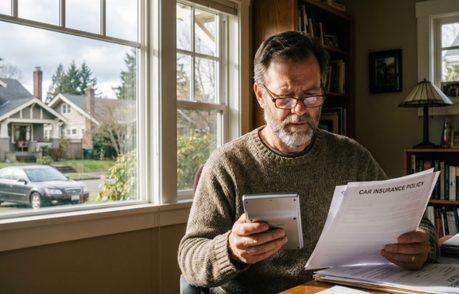
The North West Driver’s Guide to Car Insurance Groups: How to Slash Your Premium in 2026
The North West Premium Reality: Why Your Postcode and Your Car Group Matter
Drivers in Manchester, Liverpool, and across Lancashire already know the sting of opening a car insurance renewal letter. With average annual premiums reaching approximately £1,000, the North West consistently ranks among the most expensive regions in the UK for motor insurance — and for many households, that's a significant financial pressure.
Regional Stat: North West drivers face average premiums of around £1,000 per year — well above the UK average. (Source: Free Price Compare)
The frustrating truth is that your postcode — a key factor driving those costs — isn't something you can easily change. However, your car's insurance group absolutely is. Understanding UK car insurance groups is one of the most practical and underused tools available to drivers wanting genuine control over their premiums.
Every car sold in the UK sits within a structured 1–50 rating system, and choosing wisely between groups could realistically slash what you pay. The sections ahead show you exactly how.
Car Insurance Groups Explained: The 1–50 Rating System
Understanding car insurance groups starts with knowing who sets them. Every car registered in the UK is assigned to one of 50 insurance groups, a system administered by Thatcham Research — the automotive safety and security experts — on behalf of the Association of British Insurers (ABI). Think of it as a standardised risk index that exists before you've filled in a single quote form.
The scale is straightforward: Group 1 represents the lowest risk and cheapest cars to insure, whilst Group 50 covers the highest-risk, most expensive vehicles. In practice, a small city car will typically sit at the lower end, whilst a high-performance sports car occupies the upper reaches.
One critical detail many drivers overlook: groups apply to specific trim levels, not simply a model name. Two versions of the same car can sit in entirely different groups depending on their engine size, standard equipment, or safety features. Checking the exact group for a specific trim via Compare the Market's checker before purchasing could save you considerably.
| Group Range | Risk Level | Typical Vehicle Type |
|---|---|---|
| 1–10 | Low | Small city cars, economy hatchbacks |
| 11–25 | Moderate | Family saloons, mid-range hatchbacks |
| 26–50 | High | Performance cars, luxury SUVs |
So what actually pushes a car into a higher group? That's where the detail gets genuinely interesting.
What Factors Determine Your Car's Group Rating?
Knowing the rating system is one thing — understanding why a specific car lands where it does gives you genuine power as a buyer. As Allianz Insurance reports, in September 2024 an additional risk rating system from 0–99 was implemented, all feeding into a vehicle's final group placement. Here's what drives the numbers.
Parts and Damage Costs
Replacement part prices are among the most heavily weighted factors. A modest city car with a £60 front bumper panel sits in a very different world from a prestige saloon where the same repair runs to £800. Insurers scrutinise the cost of the 23 standard parts used in the industry's benchmark assessment — headlights, bonnets, and door panels included.
Repair Times
It's not just the parts bill that matters — it's the labour hours required. Longer garage stays mean higher "loss of use" costs for insurers, who may need to fund a courtesy vehicle throughout. Complex bodywork or specialist-only servicing pushes a car's group upward, regardless of its price tag.
Performance Figures
Top speed and 0–60 acceleration directly influence group placement. Higher performance correlates with greater collision risk, so a hot hatch will consistently outrank a similarly priced but more sedate family car.
Safety and Security Features
This is where informed buyers can genuinely unlock lower car insurance rates. Cars equipped with Autonomous Emergency Braking (AEB) as standard often qualify for lower groups because they are statistically less likely to be involved in collisions. Factory-fitted alarms, immobilisers, and Thatcham-approved security systems carry similar weight.
Once you understand what pushes a car's group up or down, the next logical question is: what does that actually cost you at renewal?
Low to High: The Financial Impact of Your Choice
The gap between choosing a Group 1 car and a Group 45 car isn't just a number on a chart — it's a tangible difference in what leaves your bank account each month. According to MoneySupermarket, selecting a vehicle in the lowest insurance brackets (Groups 1–10) can result in premiums that are approximately half the cost of those in the highest brackets (Groups 41–50).
Choosing a lower-group car is arguably the single most impactful decision a budget-conscious North West driver can make before even thinking about how to get your insurance premium lowered through other means.
In practice, a Group 7 vehicle — say, a modestly specified hatchback — isn't a poor choice. It still sits comfortably within the affordable range and suits drivers who want a little more specification without a dramatic premium jump. However, for everyday commuters driving between Salford and Stockport, or travelling the M6 corridor regularly, Group 1 remains the best for affordability.
For North West drivers specifically, the sweet spot sits between Groups 1 and 12. Vehicles in this range — including many superminis and entry-level family cars — tend to combine reasonable repair costs and modest engine sizes with the everyday practicality this region demands.
Of course, your choice of vehicle is just the starting point. The next section explores practical steps that compound these savings further.
11 Ways to Lower Your Car Insurance Premium Today
Choosing one of the cheapest cars to insure is a strong starting point — but the vehicle itself is only part of the equation. How you present your policy details can be just as influential on the final quote.
- Rethink your job title. Insurers rate occupations by perceived risk. "Chef" may cost more than "kitchen manager" — both accurate, but differently interpreted. Always be truthful, yet precise.
- Add an experienced named driver. Including a parent or older relative with a clean licence can reduce the overall risk profile. Avoid "fronting," which is illegal and invalidates cover.
- Raise your voluntary excess. Increasing your voluntary excess from £150 to £350 can noticeably reduce your premium. Ensure you can genuinely afford the total excess should you need to claim.
- Consider a telematics (black box) policy. For drivers in higher-risk postcodes — particularly parts of Manchester or Salford — a black box that rewards safe driving habits can deliver meaningful savings.
- Pay annually, not monthly. Monthly payments typically include interest charges of 20–30%. Paying upfront avoids this hidden cost entirely and immediately reduces your total outlay.
- Review where you park overnight. Stating "driveway" rather than "on-street" can lower your premium considerably. According to the RAC, insurers often discount policies for vehicles parked securely or fitted with Thatcham-approved security enhancements.
- Install approved security devices. Dash cams, steering locks, and approved alarms all demonstrate lower theft risk to underwriters.
- Limit your annual mileage honestly. Fewer miles driven statistically means fewer incidents. If your circumstances have changed, update your estimate.
- Build and protect your no-claims discount. Even one protected no-claims year can save considerably at renewal.
- Shop around at every renewal. Loyalty rarely pays in insurance — comparing quotes is consistently the most effective single action.
- Bundle your policies thoughtfully. Some providers offer multi-car or home-and-car discounts worth exploring.
With these tactics in hand, the next logical step is applying them to an actual purchase — which is where choosing a certified used car from a reputable North West dealership becomes particularly valuable.
Choosing Your Next Certified Used Car in the North West
Certified used cars offer a compelling advantage beyond the obvious: verified safety and mechanical checks mean fewer surprise repair bills, which keeps your total monthly motoring costs predictable. Insurers view well-maintained vehicles with documented histories more favourably, which can quietly support a lower premium alongside your insurance group choice.
Before you visit any dealership, check the vehicle's insurance group using the Compare the Market Group Checker — knowing the group number in advance prevents an expensive surprise once you're already attached to a particular model.
Finance agreements change the calculation entirely. A lower monthly payment looks attractive, but pairing a high-group vehicle with a finance deal can push your combined monthly outgoings well beyond your budget.
Your dealership visit checklist:
- ✅ Confirm the insurance group for every shortlisted model before arriving
- ✅ Request the full service and safety check history for any certified used vehicle
- ✅ Calculate your total monthly cost: finance repayment + insurance + petrol + road tax combined
Choosing the right car insurance group in the North West is ultimately about making an informed decision at every stage — from your online research to the moment you collect the keys.
Key Takeaways
- ✅ Confirm the insurance group for every shortlisted model before arriving
- ✅ Request the full service and safety check history for any certified used vehicle
- ✅ Calculate your total monthly cost: finance repayment + insurance + petrol + road tax combined
Ready to look at options for your next car? Explore HPL Motors' full range of used cars across all insurance groups. Our team are happy to help offer guidance and more details on which car is best suited to your needs and finances.