Ford Puma Review
- 1
- Typical used price (UK): £11,000–£18,000 (2020–2023 cars; higher trims and low-mileage at the top)
- This car: £12,599 (YH23URP, HPL Motors Preston)
- Insurance group: 14P
- MPG: 51.4 (official combined)
- CO₂: 125 g/km
- Best for: A fun-to-drive, practical and stylish compact SUV
Is It a Good Choice?
If you want a small SUV that's actually enjoyable to drive, the Ford Puma is the standout choice. It's been the UK's best-selling car in recent years, combining Ford's famously sharp handling with a practical, clever interior and smart looks. It manages to feel grown-up and fun at the same time, which is a rare trick in this class.
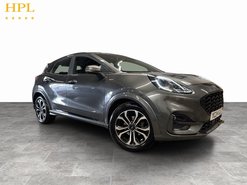
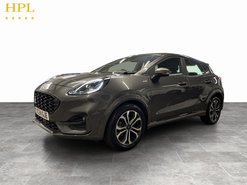
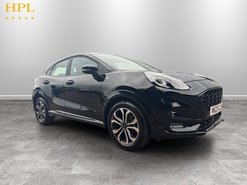
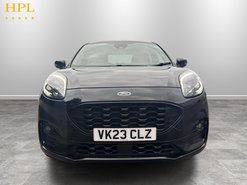
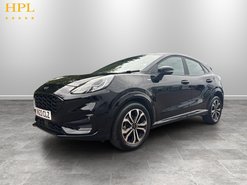
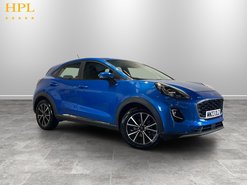
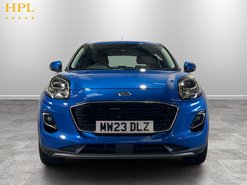
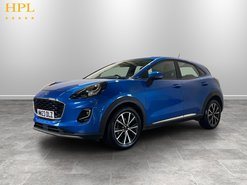
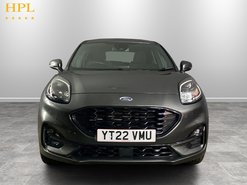
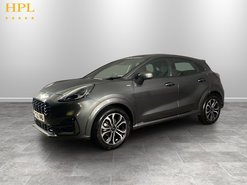
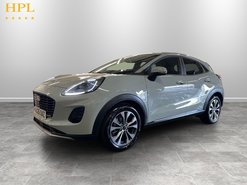
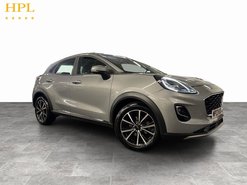
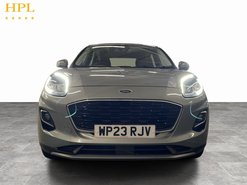
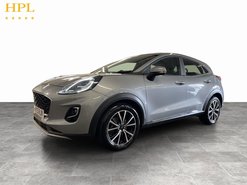
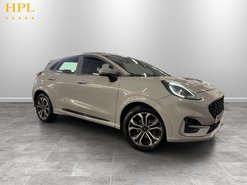
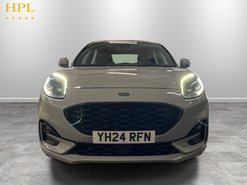
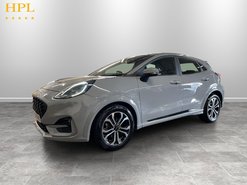
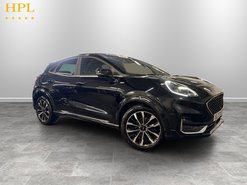
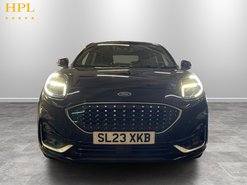
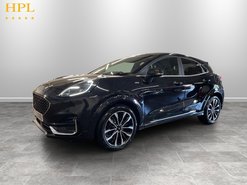
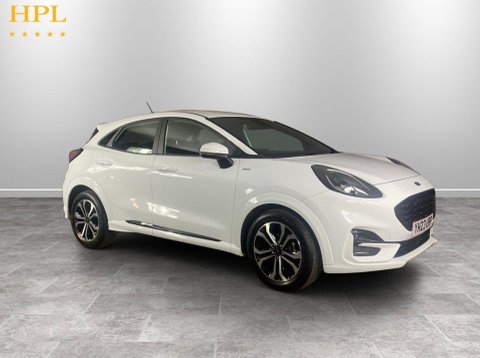
This example is the ST-Line, the sporty-styled trim, with 17-inch alloys, sports suspension and a racier look, and it's well equipped with sat nav, a digital driver's display and plenty of safety kit. The 1.0-litre EcoBoost mild-hybrid engine is peppy and reasonably economical. With one owner and priced at £12,599, it's a lot of desirable, in-demand compact SUV for the money.
Pricing & Running Costs
The Puma launched in 2019 and has sold in huge numbers, so there's a wide used choice. Strong demand keeps values firm, but it also means plenty of examples to choose from across trims and budgets.
Typical UK Used Price Ranges:
- Early cars (2020–2021): roughly £11,000–£15,000
- Later cars (2022–2023): roughly £13,000–£18,000
- Higher trims and low-mileage cars: toward the top of that range
At £12,599 this 2023 ST-Line is priced keenly for its age, with its slightly higher mileage keeping it affordable for a desirable, well-equipped version.
Running Costs:
- Fuel: an official 51.4mpg, though a realistic figure is closer to the mid-40s in everyday driving (see below).
- Insurance: group 14P — reasonable for a sporty compact SUV.
- Road tax: the standard flat annual rate of VED (check the current DVLA figure).
- Servicing: Ford servicing is competitively priced, with a large dealer and independent network.
- Clean air: Euro 6 means it's exempt from ULEZ and Clean Air Zone charges.
Performance & Driving Experience
The 1.0-litre three-cylinder EcoBoost produces 155ps and, with its 48V mild-hybrid assistance, feels genuinely peppy, covering 0–62mph in a brisk 8.9 seconds. For clarity on the "hybrid" badge: this is a mild-hybrid system, where a small electric motor assists the engine and smooths the stop-start to save a little fuel, but it can't drive the car on electric power alone. There's strong, flexible torque that makes the Puma feel quick and willing around town and on the motorway.
Where the Puma really stands out is its handling. It shares much with the Fiesta, long considered the class benchmark for fun, and it shows: the steering is sharp, body control is excellent and it's genuinely entertaining on a good road, while still riding acceptably. The ST-Line's sports suspension does firm things up over rough surfaces, so it's worth a test drive if comfort is your priority, but keen drivers will love it.
Key Performance Figures:
- Power: 153 bhp (155 ps)
- Cylinders: 3 (petrol, 48V mild hybrid)
- Engine capacity: 999 cc (turbocharged)
- Gearbox: 6-speed manual
- Drive: front-wheel drive
- 0–62 mph: 8.9 seconds
Interior & Technology
The Puma's cabin is smartly styled and well equipped in ST-Line trim. This car has Ford's SYNC 3 touchscreen with sat nav, Apple CarPlay and Android Auto, a 12.3-inch digital instrument display, sports seats and a flat-bottomed leather steering wheel. Thoughtful touches include a Quickclear heated windscreen, cruise control with a speed limiter and selectable driving modes.
It isn't flawless: some of the cabin plastics are hard and scratchy rather than plush, reflecting the Puma's Fiesta roots, the air conditioning is manual rather than climate control on this trim, and the SYNC 3 screen, while easy to use, looks a little dated next to the newest rivals. But the layout is logical and everything works well, and the overall feel is sporty and upbeat.
Space & Practicality
Practicality is a genuine Puma strong point, thanks to one brilliant feature: the MegaBox. The boot is a healthy 456 litres, and beneath the floor sits an additional 80-litre waterproof, drainable storage well, ideal for muddy boots, wet kit or dirty sports gear. It makes the Puma far more versatile than its compact size suggests. Rear passenger space is adequate rather than generous, comfortable enough for two adults, so it's best thought of as a spacious car for a small family rather than a limo in the back.
Dimensions:
- Length: 4,186 mm
- Width: 1,805 mm
- Height: 1,536 mm
- Boot: 456 litres (plus 80-litre MegaBox underfloor)
- Seats / doors: 5 / 5
MPG, Emissions & Tax
- Combined MPG: 51.4 (official)
- CO₂: 125 g/km
- Euro status: Euro 6
- Fuel type: petrol (48V mild hybrid)
- Engine: 999cc, 3-cylinder turbo
- Gearbox: 6-speed manual
Euro 6 compliance means it's exempt from London's ULEZ and other Clean Air Zone charges. On economy, it's worth setting expectations honestly: the official figure is 51.4mpg, but in real-world driving most owners see somewhere in the mid-40s, as the mild-hybrid system helps efficiency rather than transforming it. That's still respectable for a petrol SUV with this much poke. Road tax is charged at the standard flat annual rate, so check the DVLA's current figure.
Safety & Reliability
Safety is strong. The Puma was awarded the maximum five stars by Euro NCAP, with a solid 94% for adult occupant protection, and comes with Pre-Collision Assist autonomous emergency braking with pedestrian and cyclist detection, lane-keeping aid and cruise control as standard. The rating dates from 2019 and is now dated as tests have toughened, so it's best compared with cars of a similar age.
NCAP Ratings (Euro NCAP, 2019):
- Overall: 5 Stars
- Adult occupant: 94%
- Child occupant: 84%
- Vulnerable road users: 77%
- Note: autonomous emergency braking is standard; rating dates from 2019 and is now dated
On reliability, there's an important and reassuring point for Puma buyers. Older 1.0 EcoBoost engines, in the pre-2018 Fiesta and Focus, had a well-publicised "wet" timing belt that could cause problems, but the Puma has never used that design: it has a timing chain instead, so it sidesteps that notorious issue. There's a smaller belt that drives the oil pump, which is worth keeping an eye on as a long-term service item, so a full service history matters. The other thing to know is that the 48V mild-hybrid system can run the 12V battery down if the car is left unused for a week or two, so it's happiest being driven regularly. This car has one owner, and HPL adds its 128-point check and a warranty, with any outstanding recalls worth confirming as standard practice.
Alternatives
- Nissan Juke — a characterful rival with a roomier boot, though less fun to drive.
- Vauxhall Mokka — bold styling and keen used pricing, with an electric option too.
- Renault Captur — more practical in the back, with efficient hybrid versions.
- SEAT Arona — a sensible, spacious VW Group alternative.
- Peugeot 2008 — stylish, with a smart i-Cockpit cabin and an electric version.
- Toyota Yaris Cross — the full-hybrid choice, for lower running costs and Toyota reliability.
Verdict
The Ford Puma earns its best-seller status: it's the most fun to drive in the compact SUV class, cleverly practical thanks to the MegaBox, stylish and well equipped, and this one-owner ST-Line is a lot of desirable car for £12,599. The things to weigh up are the firm ST-Line ride, some hard cabin plastics and real-world economy that's good rather than great. Reassuringly, it avoids the wet-belt worries of older Ford engines. For a buyer who wants a small SUV with genuine driving appeal and everyday versatility, it's one of the best picks around.
Overall Rating: ⭐ 4.2 / 5
Ford Puma FAQs
- Is the Ford Puma a good small SUV?It's one of the best. It's the most enjoyable compact SUV to drive, it's practical thanks to the clever MegaBox boot, it's stylish and well equipped, and it has been the UK's best-selling car in recent years, which speaks to its all-round appeal.
- Does the Puma have the Ford No. The wet timing belt that affected older 1.0 EcoBoost engines in the pre-2018 Fiesta and Focus was replaced by a timing chain before the Puma went on sale, so the Puma avoids that notorious issue. There's a smaller oil-pump belt worth monitoring as a long-term service item, so a full service history is reassuring.
- Is this Puma ULEZ compliant?Yes. This 2023 car is a Euro 6 petrol, so it's exempt from London's ULEZ and compatible with Clean Air Zones across UK cities.
- Does this car have Apple CarPlay?Yes. It has Ford's SYNC 3 touchscreen with Apple CarPlay and Android Auto, sat nav and Bluetooth, plus a 12.3-inch digital driver's display.
- What is the MegaBox? The MegaBox is a clever 80-litre waterproof storage well under the boot floor, with a drain plug. It's perfect for muddy boots, wet sports kit or anything you'd rather not put on the carpeted boot floor, and it makes the Puma unusually versatile for its size.
- Is £12,599 a fair price?It's competitive. This is a one-owner 2023 car in the sought-after ST-Line trim, and the slightly higher mileage keeps the price keen for such an in-demand compact SUV.
Our verdict
What's good
- The most fun to drive in the compact SUV class
- Clever, practical MegaBox boot storage
- Smart, sporty ST-Line styling, well equipped with sat nav and CarPlay
- Peppy 155ps mild-hybrid engine
- Avoids the wet-belt worries of older Ford EcoBoost engines
What's not so good
- Firm ride on the ST-Line's sports suspension
- Some hard, scratchy cabin plastics
- Real-world economy is good rather than great
- Mild-hybrid system can drain the 12V battery if left unused